How to Plan a Bordeaux Wine Trip That Actually Feels Relaxed
By Bordeaux Brian · 2026-10-01
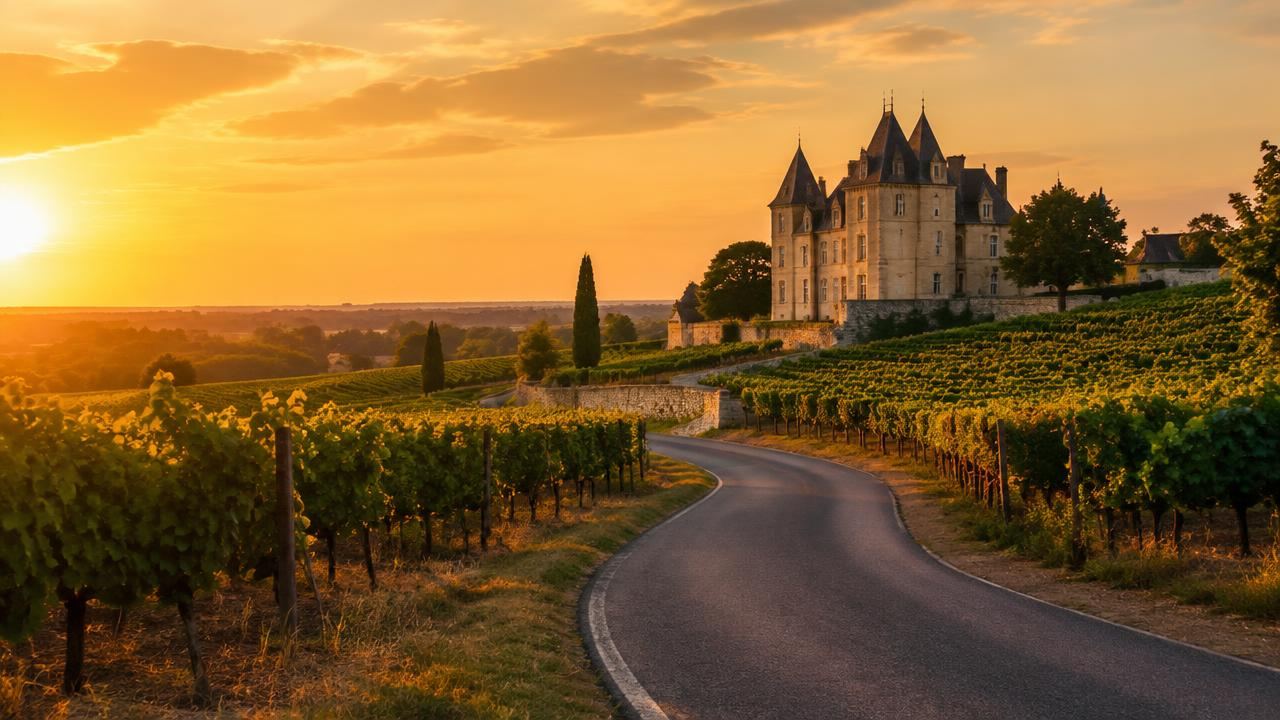
The short answer: give Bordeaux at least four full days, pick one or two bases instead of moving every night, book no more than two estate visits per day, and leave every afternoon some breathing room. That simple structure is the difference between a trip you remember and a trip you recover from.
Bordeaux is large. The vineyards cover more than 100,000 hectares, and the famous names are spread across both banks of the Gironde and Dordogne rivers. Visitors who look at a map and assume they can do Margaux in the morning, Saint-Émilion at lunch and Pessac-Léognan before dinner usually spend most of the day in a car.
Decide what kind of trip you want first
Before choosing châteaux, decide on the feel of the trip. Ask yourself three questions:
- Are you here to learn or to unwind? Learning trips can include technical cellar tours. Relaxed trips work better with long lunches and one great tasting.
- Do you love a specific style? If you favor Cabernet Sauvignon structure, spend more time on the Left Bank (Médoc, Pauillac, Margaux). If you prefer the plush feel of Merlot, center the trip on the Right Bank (Saint-Émilion, Pomerol, Fronsac).
- What matters besides wine? Food, architecture, cycling, river views and markets can all shape the plan.
Your answers decide your base, and your base decides almost everything else.
How many days you need
- 2 days: One bank only. Treat it as a taste, not a survey.
- 4 days: Comfortable. Two days on each bank, or three on one bank plus a day in the city of Bordeaux.
- 6–7 days: Ideal. Room for a smaller appellation such as Fronsac, Entre-Deux-Mers or Sauternes, plus unscheduled time.
Where to stay
Bordeaux city is a good base for a first visit: excellent restaurants, easy trains and a beautiful old center. The trade-off is that the vineyards are 30 to 60 minutes away.
For the Right Bank, staying in or near Saint-Émilion lets you walk the village at night after the day visitors leave. For the Left Bank, small guesthouses and château stays in the Médoc put you among the vines, though evenings are quiet.
A good pattern for a week is two or three nights in the city, followed by three or four nights in the countryside.
How many château visits per day
Two. Occasionally three if one is very short. A typical visit with a tour and tasting lasts 60 to 90 minutes, and you need time to drive, eat and absorb what you tasted. A comfortable day looks like this:
- 10:00 – First estate visit
- 12:30 – Long lunch
- 15:00 – Second visit
- Late afternoon – Walk, rest or a village stroll
Booking visits
Many estates require appointments, and the best-known names often book weeks ahead. Book directly through the estate's website or by email, and confirm the language of the tour. Note that some estates close on weekends and during harvest (usually September to early October), and many slow down in August.
Mix famous names with smaller family properties. The well-known estates show you scale and history. The smaller ones often put you in front of the person who makes the wine, which is where the most memorable conversations happen.
Getting around
Do not plan to drive yourself between tastings if you intend to actually taste. Options include a private driver, a small-group tour, or limiting yourself to spitting. Many travelers find a driver for the vineyard days worth every euro.
Common mistakes to avoid
- Scheduling four or five tastings a day.
- Changing hotels every night.
- Ignoring lunch reservations; good countryside restaurants fill up.
- Visiting only famous names and missing the family estates.
- Forgetting that you may want to bring bottles home (plan your luggage).
A sample four-day plan
Day 1: Arrive in Bordeaux city. Walk the old town and the riverfront. Early dinner.
Day 2: Left Bank. One Margaux estate in the morning, lunch in the Médoc, one Pauillac or Saint-Julien estate in the afternoon.
Day 3: Right Bank. Morning visit near Saint-Émilion, lunch in the village, an afternoon visit in Pomerol or Fronsac.
Day 4: A slower day: Sauternes or Entre-Deux-Mers, or a market morning and a free afternoon.
Frequently asked questions
What is the best month to visit Bordeaux? May, June and late September through October are pleasant. Harvest is exciting but estates are busy.
Do I need to speak French? No, many estates offer tours in English, but a few polite French phrases are always appreciated.
Can I visit the most famous châteaux? Some open by appointment, often well in advance; others are very limited. Have backup options.
Is Bordeaux good for a first wine trip? Yes. It is organized, beautiful and easy to reach by train from Paris in about two hours.
The best Bordeaux trips are designed around how you want to feel, not how many labels you can collect. Plan fewer visits, stay longer in one place, and leave room for the unexpected glass.