What to Expect When You Visit a French Wine Château
By Bordeaux Brian · 2026-10-01
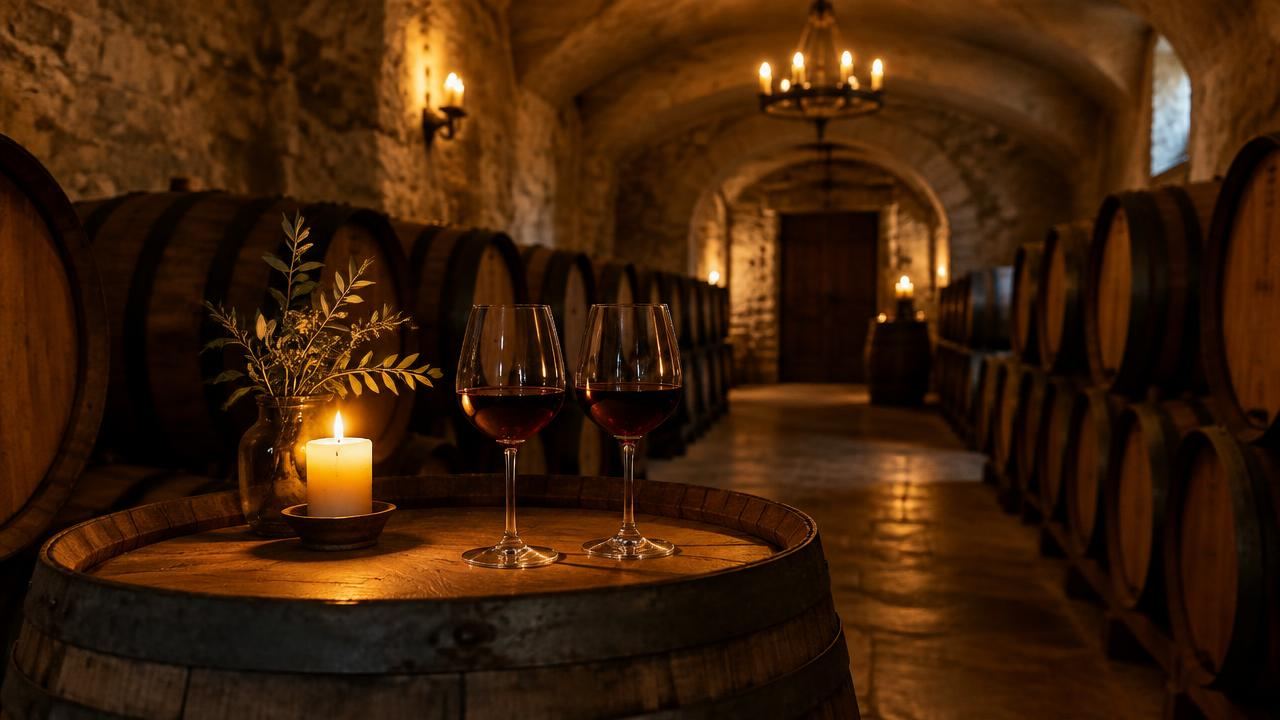
A typical château visit lasts 60 to 90 minutes: a short walk through the vineyard or winery, a stop in the barrel cellar, and a seated tasting of two to four wines. You are not expected to buy, you are welcome to spit, and the best thing you can bring is curiosity.
For many first-time visitors, the hardest part is not the wine but not knowing the unwritten rules. This guide removes the guesswork.
Before you arrive
Book ahead. Most estates in Bordeaux work by appointment. Confirm the date, time, language and price in writing.
Arrive on time. Tours often run on a fixed schedule. If you are late, you may miss the start or the visit may be shortened. If you are delayed, email or call.
Skip strong fragrance. Perfume and cologne interfere with everyone's ability to smell the wine, including the host's.
Dress comfortably. Smart casual is fine. Wear shoes you can walk in; cellars can be cool, damp and uneven.
What usually happens
- Welcome and history. A short story of the estate and family.
- Vineyard or terrace. A look at the soils and vines, often the most revealing part.
- Vat room. Where fermentation happens: steel, concrete or wood.
- Barrel cellar. Where the wine ages, often for 12 to 24 months.
- Tasting. Usually the current release, sometimes an older vintage or a second wine.
Tasting etiquette
- Spitting is normal. Spittoons are provided. Professionals spit; no one will think less of you.
- You do not have to finish a pour. Pour the rest into the dump bucket.
- Ask before photographing private areas or people.
- Hold the glass by the stem so the wine stays cool and you can see its color.
Should you buy?
There is no obligation. At small family estates, buying a bottle or two is a kind gesture and supports the people who hosted you. At large estates, prices may be the same as at a good shop. Consider how you will get the bottles home before you buy a case.
Questions that start real conversations
Hosts hear "Which is your favorite?" all day. These tend to lead somewhere more interesting:
- How was this vintage different from the last one?
- What does this soil give the wine?
- When do you personally like to open this wine?
- What do you eat with it at home?
- What changed here in the last ten years?
Tipping and thank-yous
Tipping is not expected at château visits in France. A sincere thank-you, a follow-up email, or a kind online review is appreciated, especially at smaller estates.
Visiting with children or non-drinkers
Many estates welcome families, but tastings are for adults. Ask in advance whether a non-drinking guest can join; many hosts offer grape juice or simply welcome them on the tour.
Frequently asked questions
Are château visits free? Increasingly no. Fees typically range from modest amounts to considerably more for premium tastings, and are sometimes credited against purchases.
How many visits can I do in a day? Two is comfortable. Three is the practical maximum.
Can I visit on Sunday? Some estates are closed on weekends. Check before planning.
What if I don't know anything about wine? That is perfectly fine. Hosts enjoy curious beginners; honesty makes for a better visit.
A château visit is a conversation, not a test. Arrive on time, taste slowly, ask good questions, and you will leave with more than a bottle.