The best wine with steak, matched cut by cut
By Bordeaux Brian · 2026-10-01
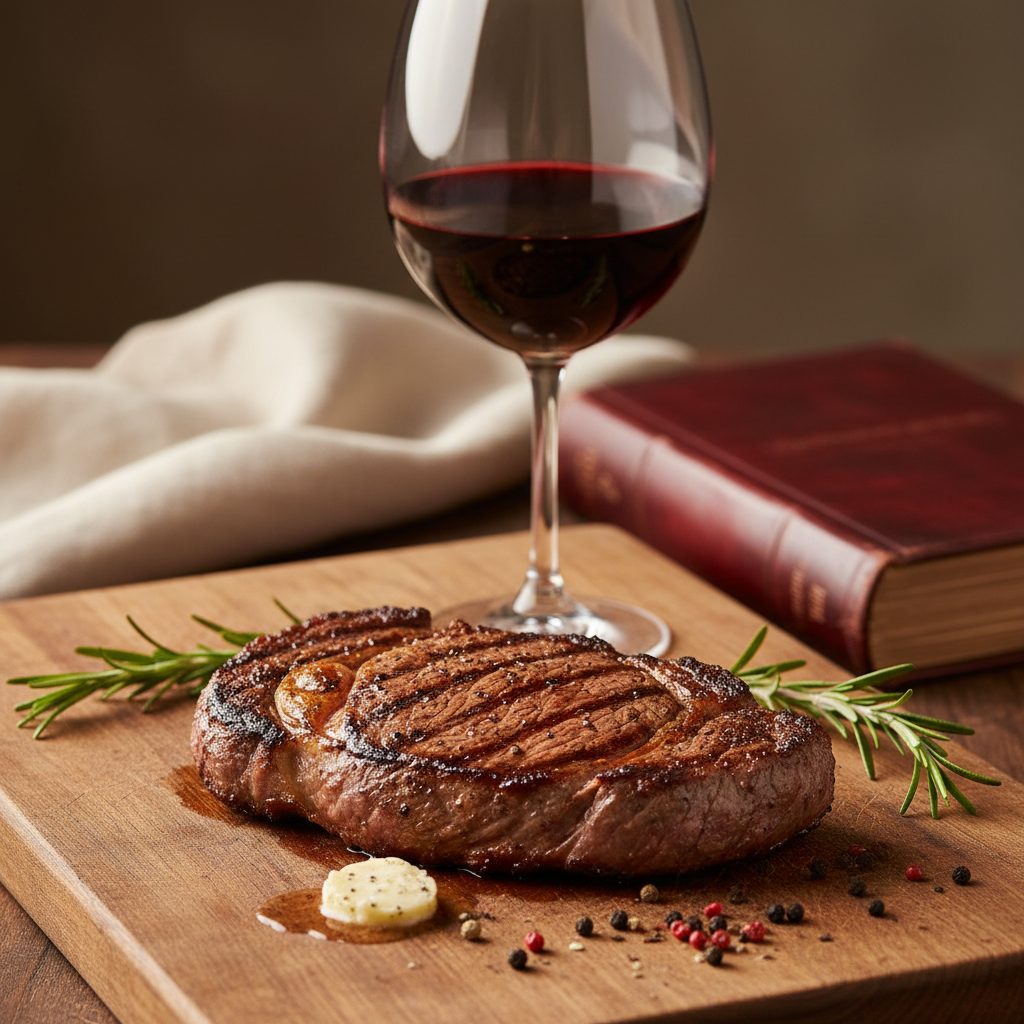
Pairing the right wine with your steak depends entirely on the fat content and texture of the specific cut of beef. For a marbled Ribeye, you need a high-tannin Cabernet Sauvignon to cut through the richness, while a lean Filet Mignon shines brightest alongside a softer Merlot or a refined Bordeaux blend.
Understanding the Science of Fat and Tannin
When we talk about steak and wine, we are really talking about chemistry. Red wines contain tannins, which are the compounds derived from grape skins and seeds that create a drying sensation in your mouth. While tannins can feel harsh on their own, they love protein and fat. When you take a bite of a rich steak, the fat coats your palate; the tannins in the wine then bind to those proteins and fats, clearing your palate and making the next bite of beef taste just as good as the first.
This is why a lean cut of meat paired with a very aggressive, tannic wine can feel "metallic" or overly dry. Conversely, a fatty steak paired with a light, low-tannin red will leave your mouth feeling greasy. The goal is balance. As a rule of thumb, the more marbling (fat) the meat has, the bigger and bolder the wine should be.
The Ribeye: Big Fat, Big Wine
The Ribeye is the king of steaks for many enthusiasts because of its heavy marbling and rich flavor. Because there is so much intramuscular fat, this cut requires a wine with a sturdy structure.
I always recommend a California Cabernet Sauvignon or a young, bold Bordeaux from the Left Bank (like a Pauillac or Saint-Estèphe). These wines have the "grip" necessary to stand up to the richness. If you want to venture outside of Cabernet, a meaty Syrah from the Northern Rhône Valley is a spectacular choice. The peppery notes in the Syrah complement the charred crust of a grilled Ribeye perfectly.
Filet Mignon: Elegance and Subtlety
The Filet Mignon is the most tender cut, but it is also the leanest. It doesn't have the heavy fat deposits of a Ribeye, so a massive, mouth-drying wine will easily overpower it. You want something with elegance and a smoother finish.
For the Filet, look toward the Right Bank of Bordeaux, specifically Saint-Émilion or Pomerol. These wines are predominantly Merlot, which offers a plush, velvet-like texture that mirrors the tenderness of the meat. If you prefer American wines, an aged Merlot or a Pinot Noir with some earthiness can work, provided the steak isn't heavily charred or seasoned with aggressive spices.
New York Strip and T-Bone: The Middle Ground
The New York Strip has a moderate amount of fat and a tighter grain than a Ribeye. It is a "chewier" steak with a robust beefy flavor. A T-Bone or Porterhouse gives you the best of both worlds—the strip and the tenderloin.
For these cuts, I love a classic Napa Valley blend or a systematic Bordeaux. You want a wine that has both fruit and structure. A Spanish Rioja (look for Gran Reserva) is also a fantastic partner here; the American oak aging often used in Rioja provides a vanilla and spice profile that dances well with the savory notes of a strip steak.
Practical Steps for the Perfect Pairing
To ensure your wine and steak experience is top-notch, follow these practical steps before you pull the cork:
- Temperature Matters: Serve your red wine slightly cool (around 60-65°F). If it’s too warm, the alcohol will taste sharp and mask the flavors of the meat.
- Decant for Depth: Most steak-worthy reds benefit from 30 to 60 minutes in a decanter. This softens the tannins and opens up the aromas.
- Consider the Sauce: If you are serving a Peppercorn sauce (Au Poivre), lean toward a spicy Syrah. If you are using a buttery Béarnaise, stick to a balanced Chardonnay or a very smooth Merlot.
- Salt is Your Friend: Salt softens the perception of tannins in wine. Don't be afraid to season your steak well; it actually makes the wine taste fruitier and less bitter.
- Match the Char: If you are cooking over charcoal, the smoky notes in the meat will pair beautifully with wines that have seen a bit of toasted oak.
Beyond the Classics: Regional Gems
While Cabernet and Merlot are the standard-bearers, don't overlook Malbec from Argentina. Malbec was originally a blending grape in Bordeaux, and it has a natural affinity for beef, offering dark fruit flavors and a smooth finish that works well with almost any cut. Similarly, a Zinfandel can be a fun choice for a steak slathered in barbecue sauce, as the jammy fruit profile handles the sugar and spice of the sauce without clashing.
FAQ
Can I drink white wine with steak?
Yes, but you need a white with body and acidity. A full-bodied, oaked Chardonnay or a vintage Champagne can work surprisingly well, especially if the steak is served with a rich, buttery sauce like Béarnaise.
What if I like my steak well-done?
When a steak is cooked to well-done, it loses its fat and moisture. In this case, avoid high-tannin wines which will make the meat feel even drier. Opt for a medium-bodied, juicy Grenache or a Zinfandel.
Does the age of the wine matter?
Absolutely. Older wines (15+ years) lose their aggressive tannins and develop delicate earthy notes. Pair older wines with simple, unadorned cuts like Filet Mignon so the nuances of the wine aren't lost to heavy seasonings.
Next Step
Choosing the right bottle can feel overwhelming when you’re standing in front of a massive wine wall at the shop. If you want a personalized recommendation for your next dinner party or help sourcing a special bottle from Bordeaux, I’m here to help. Text me at 713-420-9250 to schedule a free 15-minute consultation, and let's find the perfect match for your palate.